PROJECT OBJECTIVE
To leverage biomimicry by drawing inspiration from nature's solutions to reduce the Urban Heat Island (UHI) effect. This project will analyze urban infrastructure—focusing on materials, energy use, and contamination—to enhance environmental and social quality in cities.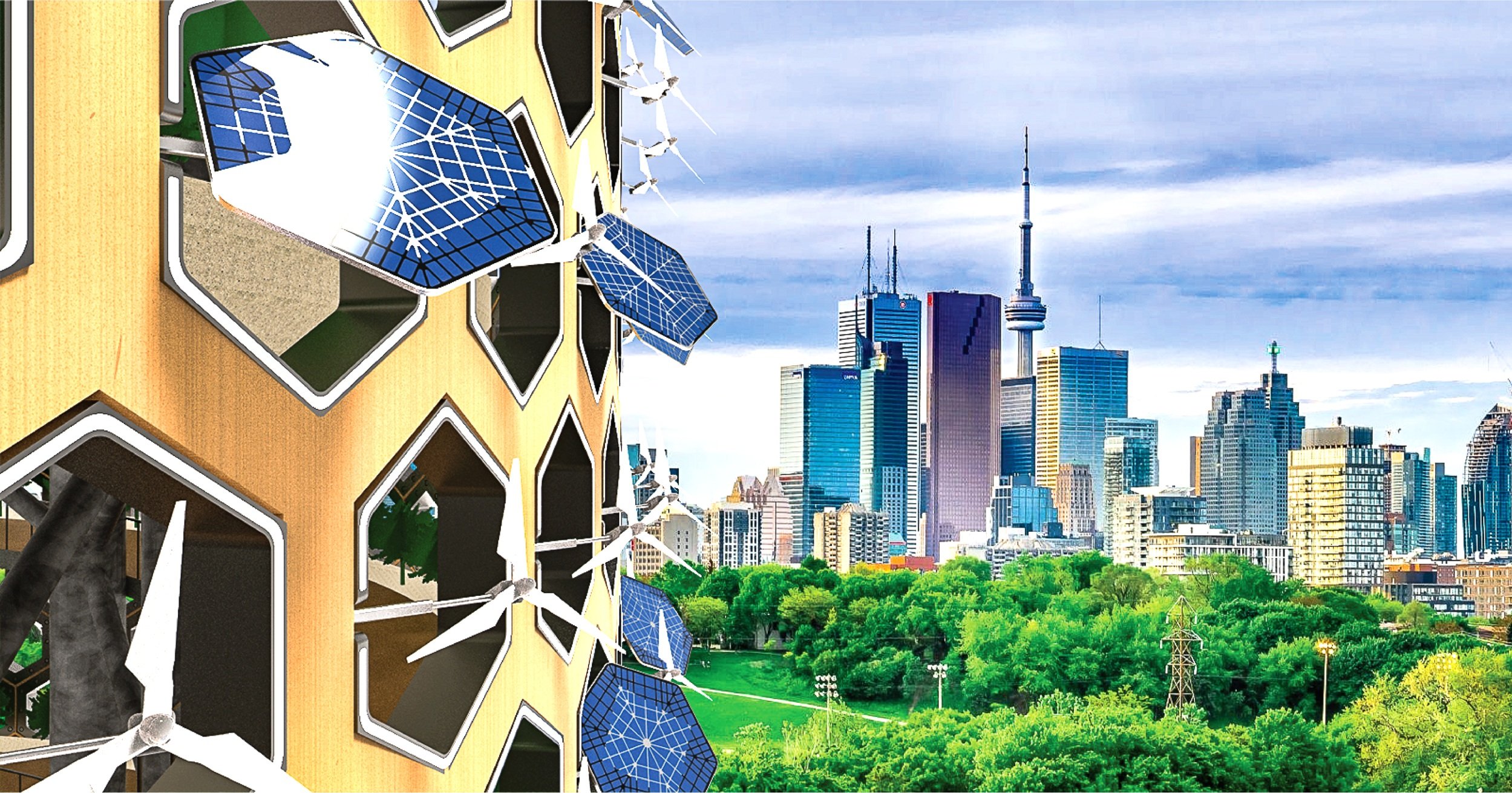
Design Ideation & Sketch Notes
The main objective is to reduce the carbon footprint while maximizing geo-energy harvesting through the creation of an urban forest as a living ecosystem. This design aims to enhance community well-being by improving air quality, reducing smog, preventing erosion, remediating contaminated land, and supporting local wildlife, ultimately enriching the quality of life for urban residents.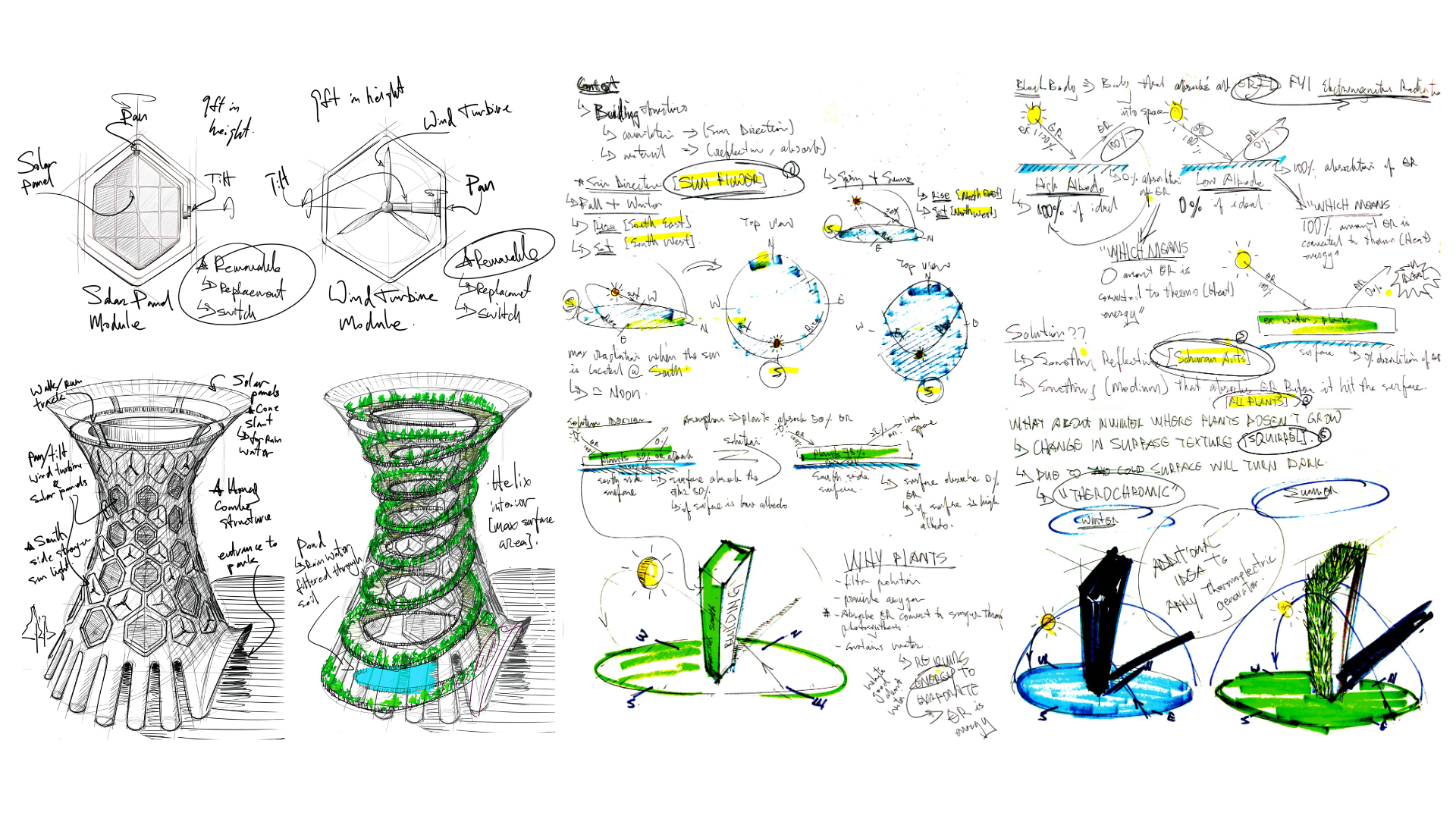
Research & Data
According to the World Health Organization, the percentage of the global population living in urban areas increased from 34% in 1960 to 54% in 2014. As population density rises, pollution levels tend to increase proportionally, while green spaces decrease. These environmental hazards pose significant risks not only to agriculture but also directly threaten human health.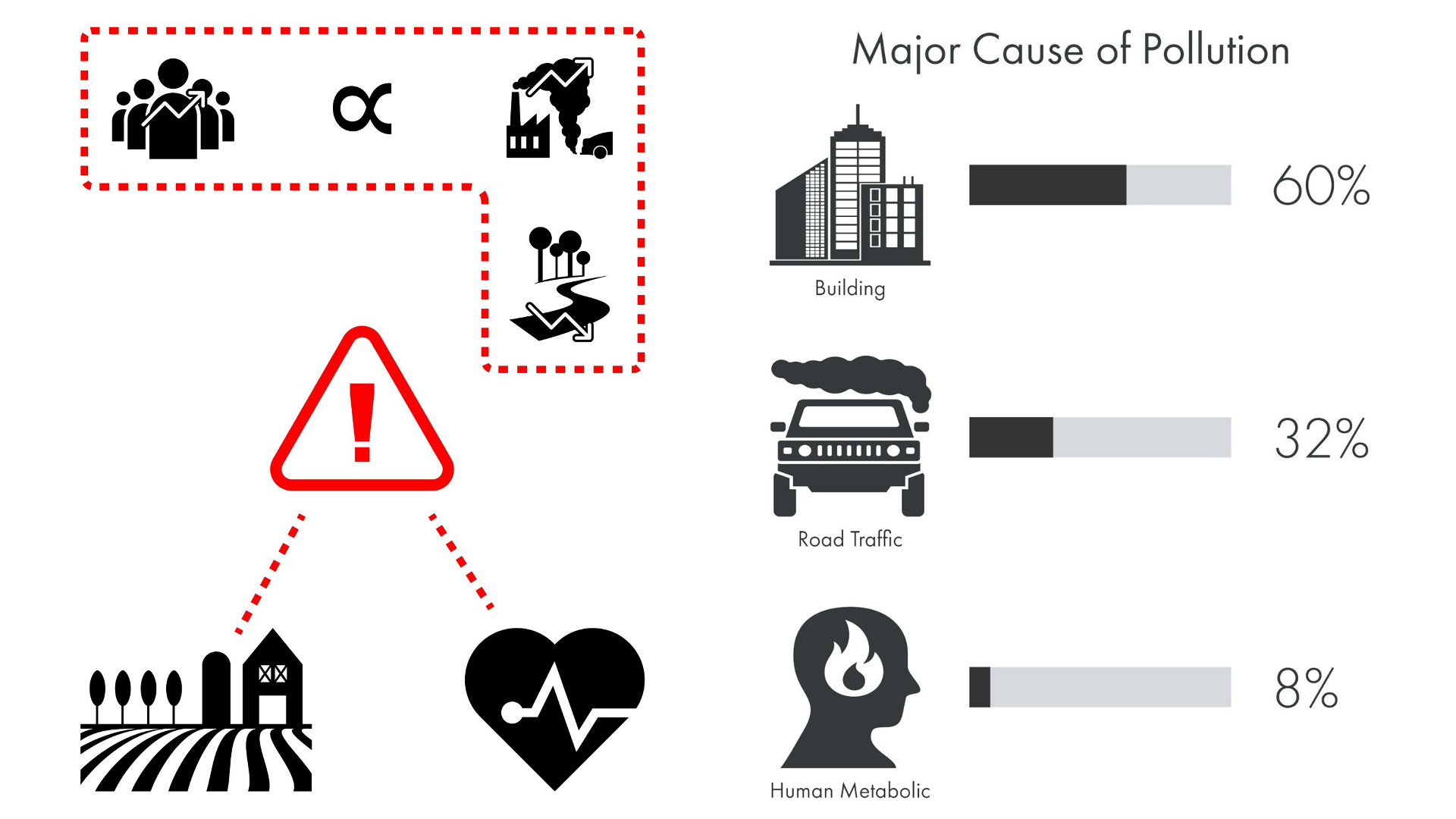
Biomimicry Sunflower Function & Design
Leverages the mechanism of heliotropism, controlled by the pulvinus, to enable solar tracking that enhances warmth and attracts pollinators. This design aligns with the Sun's movement from East to West, maximizing growth by facing directly towards it. A gimbal mechanism facilitates pan and tilt movements, allowing for optimal solar exposure, while all turbine and solar modules are detachable for easy maintenance. The Building Integrated Photovoltaics (BIPV) feature an energy payback period of 1.5 years, utilizing Thin Film Solar Cells (TFSC) that are flexible, non-toxic, and effective even in low light. Additionally, the Building Integrated Turbines achieve an efficiency of 45-50% based on air velocity and density.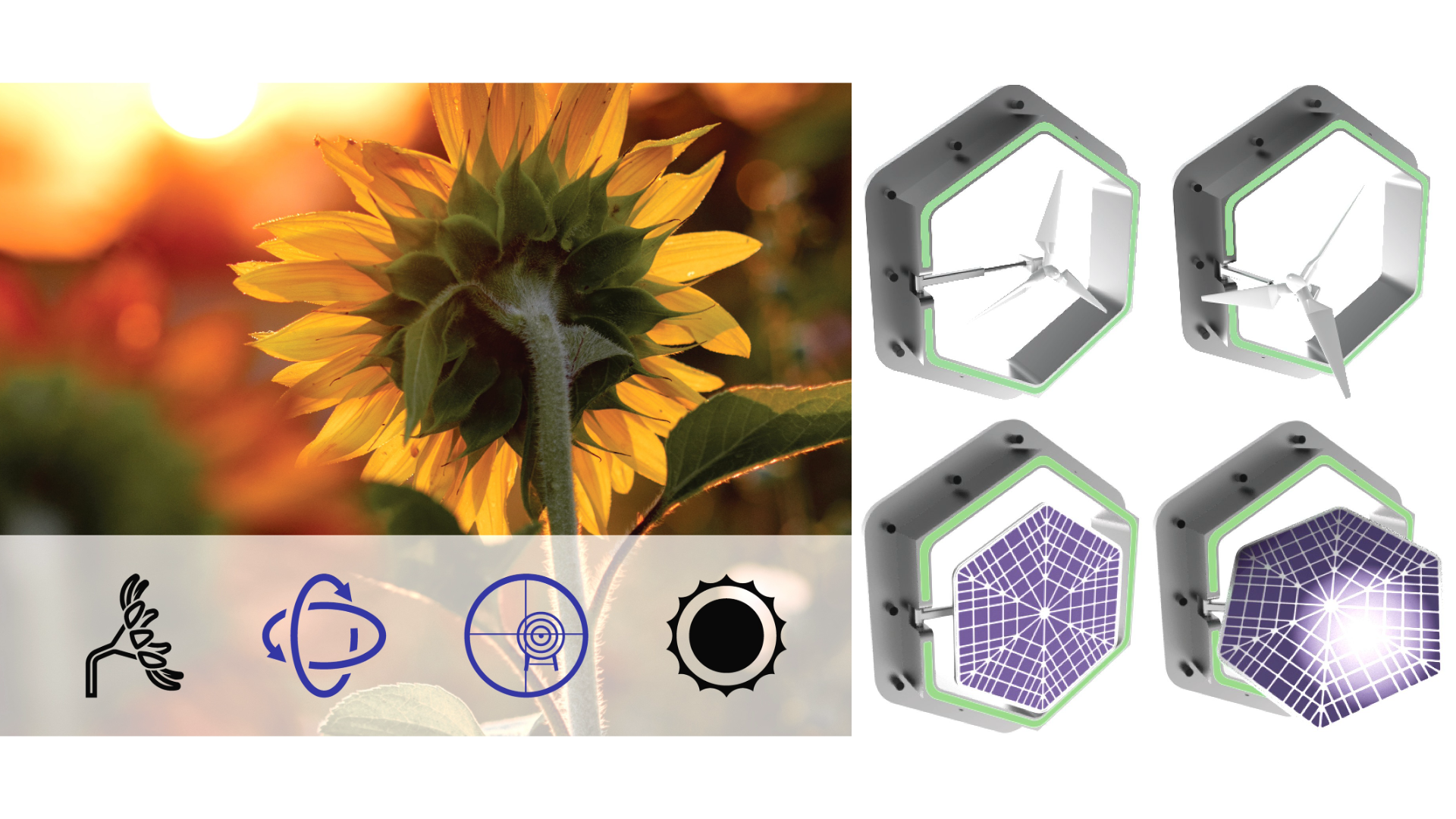
Biomimicry Honeycomb Function & Design
Employs tightly packed hexagons to maximize space efficiency, allowing for the storage of the most honey with minimal wax. This design enhances physical properties and airflow efficiency while minimizing material usage to achieve low weight and density, maintaining high plane compression and out-of-plane shear properties. Hexagonal holes provide structural support and promote optimal fluid laminar flow, maximizing the efficiency of Building Integrated Turbines and improving air circulation. Wood is selected as the primary material for its high strength-to-weight and stiffness-to-weight ratios, as well as its ease of use in creating free-form components and faster construction compared to steel or concrete.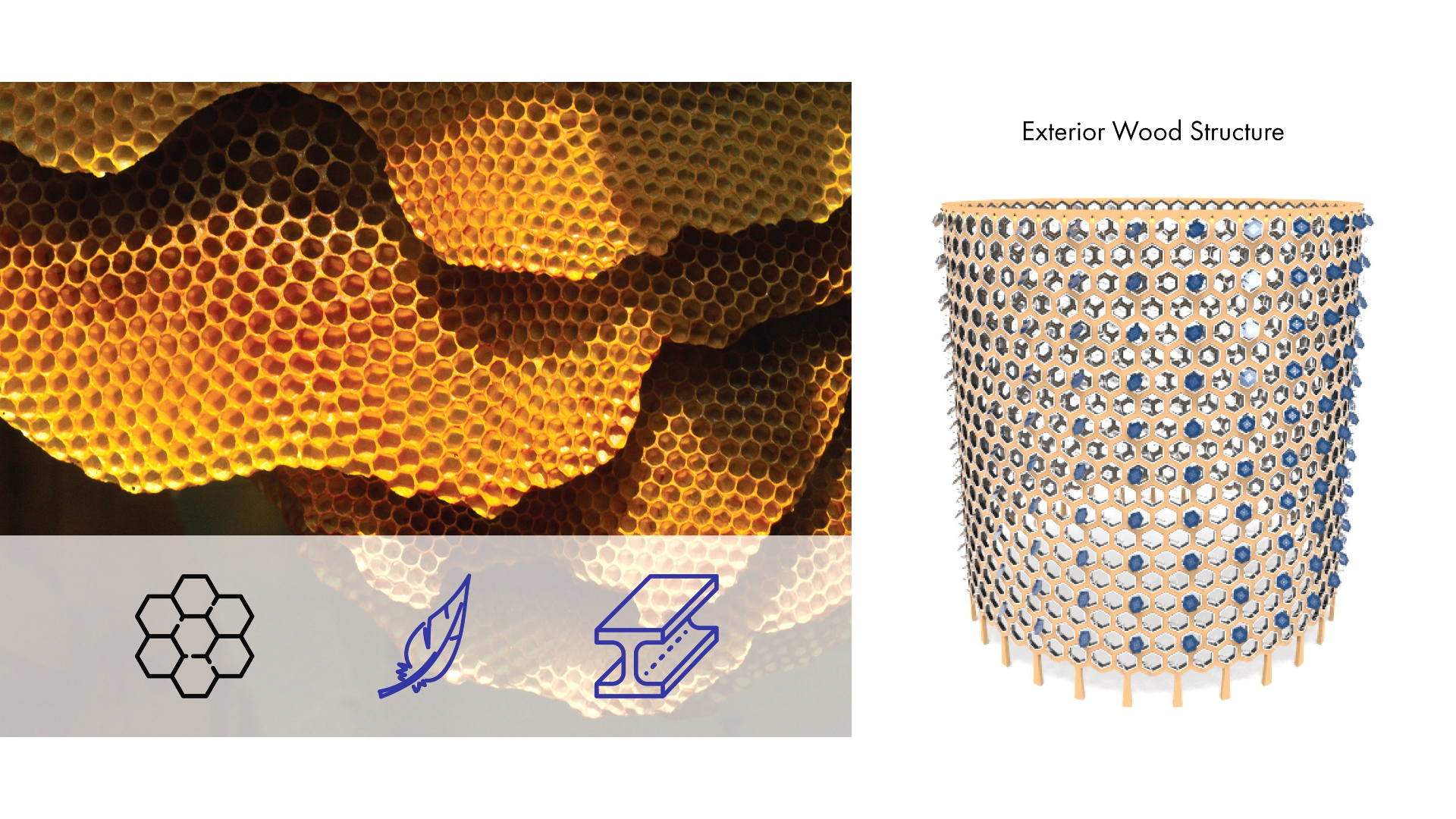
Biomimicry Twining Vines Function & Design
Utilizes a mechanism that minimizes material use by eliminating the need for a thick trunk to reach sunlight. These vines can adapt to the movement of neighboring plants while resisting deformation. Their primary function is to climb on supporting plants, such as trees. By being flexible and lightweight, they establish a strong connection to their support. The design principle features a helix structure along walking trails, maximizing green space while seeking support from exterior wood structures. Plants growing alongside these trails filter air pollution, cool the environment, absorb CO2, and enhance soil filtration. Additionally, trees provide habitats for various animal species, promoting biodiversity.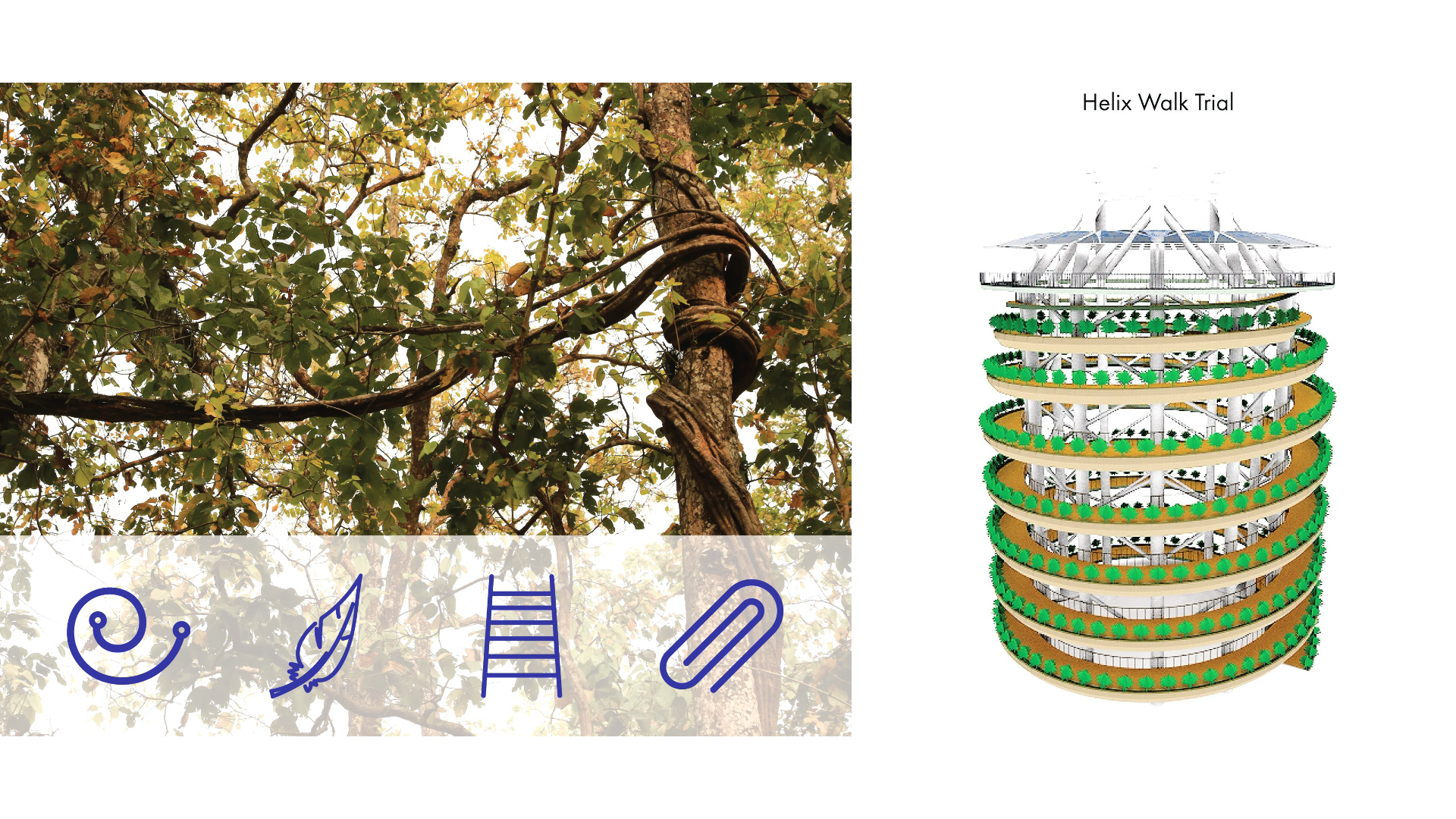
Final Design & Rendering
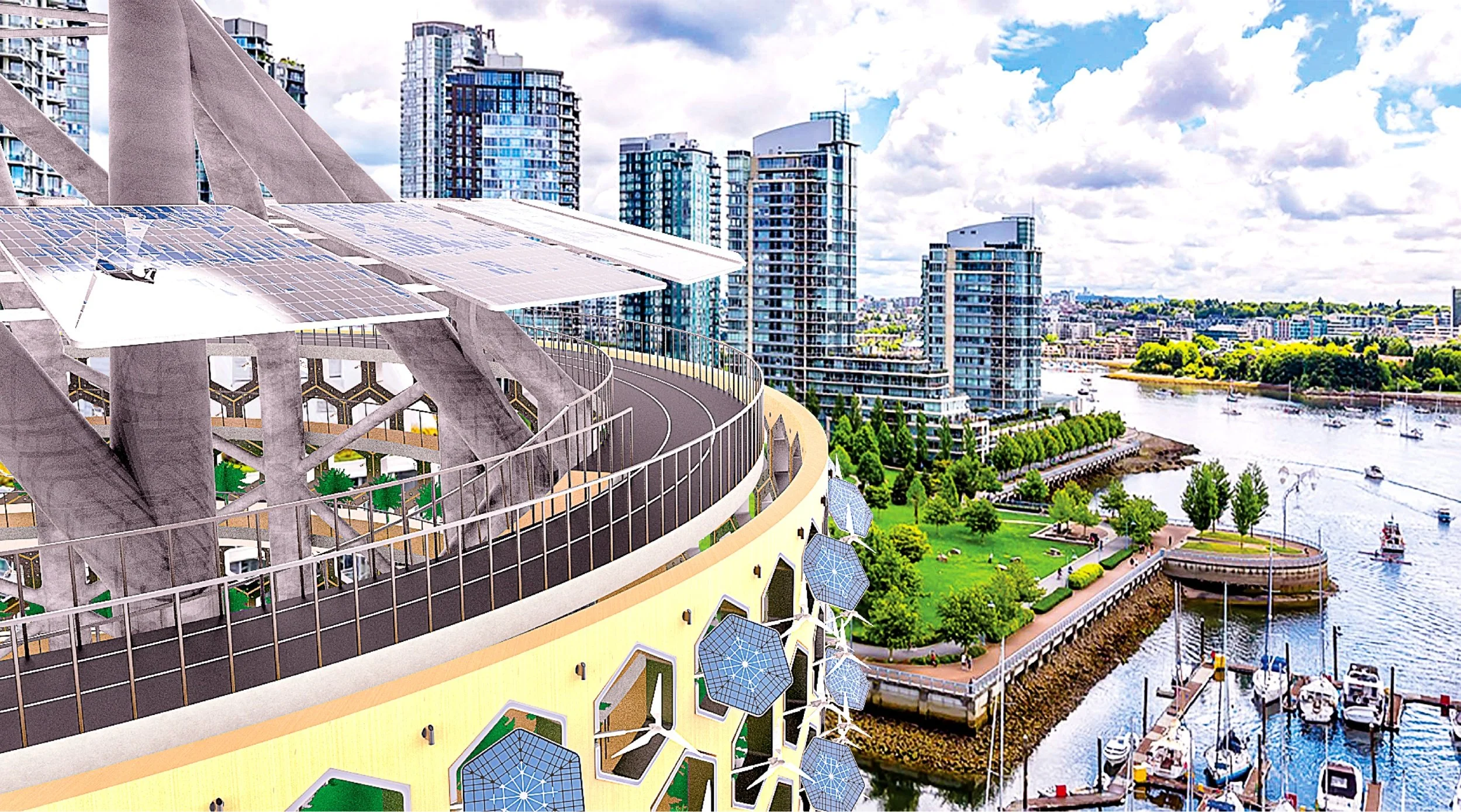
The "Running Track with a View" is an outdoor recreational center that symbolizes environmental consciousness and promotes healthy living within the community. This design not only encourages physical activity but also fosters the development of an ecosystem within the urban landscape.